
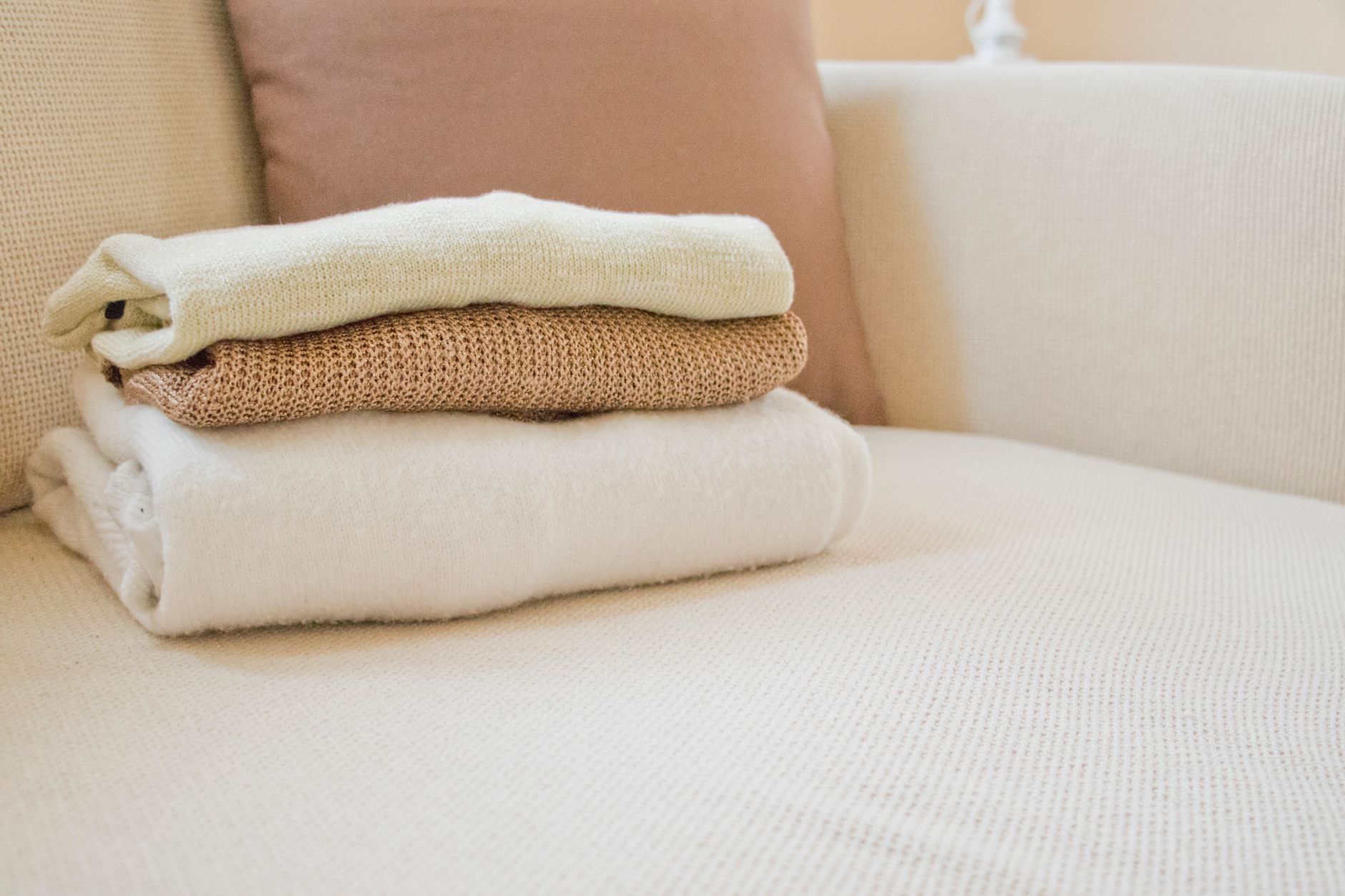
What it is
Knitwear and outerwear are bought on fibre and construction. Merino, lambswool, cotton and blends behave differently in warmth, weight and pilling, and how a knit is finished decides whether it keeps its shape.
What is included
- Fibre composition stated clearly
- Gauge matched to intended layering
- Shoulder and body length fit check
- Washing and storage instructions
- Advice on de-pilling and repair
How it works
Fibre selection
We explain the trade-offs between merino, lambswool, cotton and blends for warmth, itch and durability.
Gauge and weight
We match knit gauge to how the piece will be worn: fine gauge under a jacket, heavier gauge on its own.
Fit
We check shoulder, body length and cuff, since a jumper that is too long in the body never sits right.
Care
We explain washing and storage, which is what prevents stretching and moth damage.
Frequent questions
Why does my jumper pill?
Short fibres working loose with friction. Some pilling is normal on lambswool and blends; a comb or fabric shaver removes it and it reduces over time.
Should knitwear be hung or folded?
Folded, always. Hanging stretches the shoulders and body under the garment own weight, and the damage is permanent.
Is merino worth the extra?
For next-to-skin wear, usually yes: finer fibre means no itch, better temperature regulation and less odour. For an outer layer it matters less.
Related
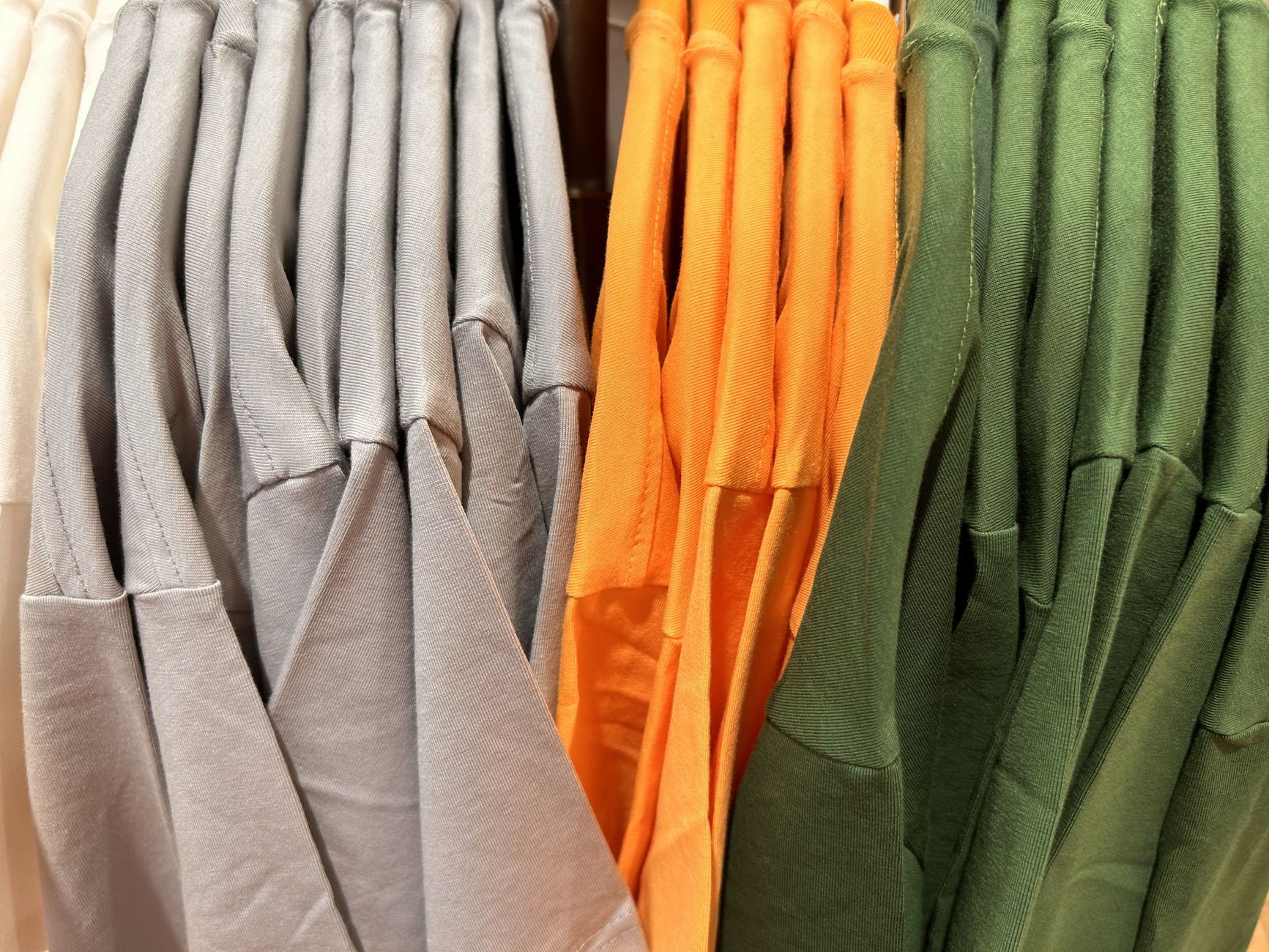
Fitted at four points
Shirts
Shirts measured at neck, chest, shoulder and sleeve, with body and sleeve alterations available.
Detail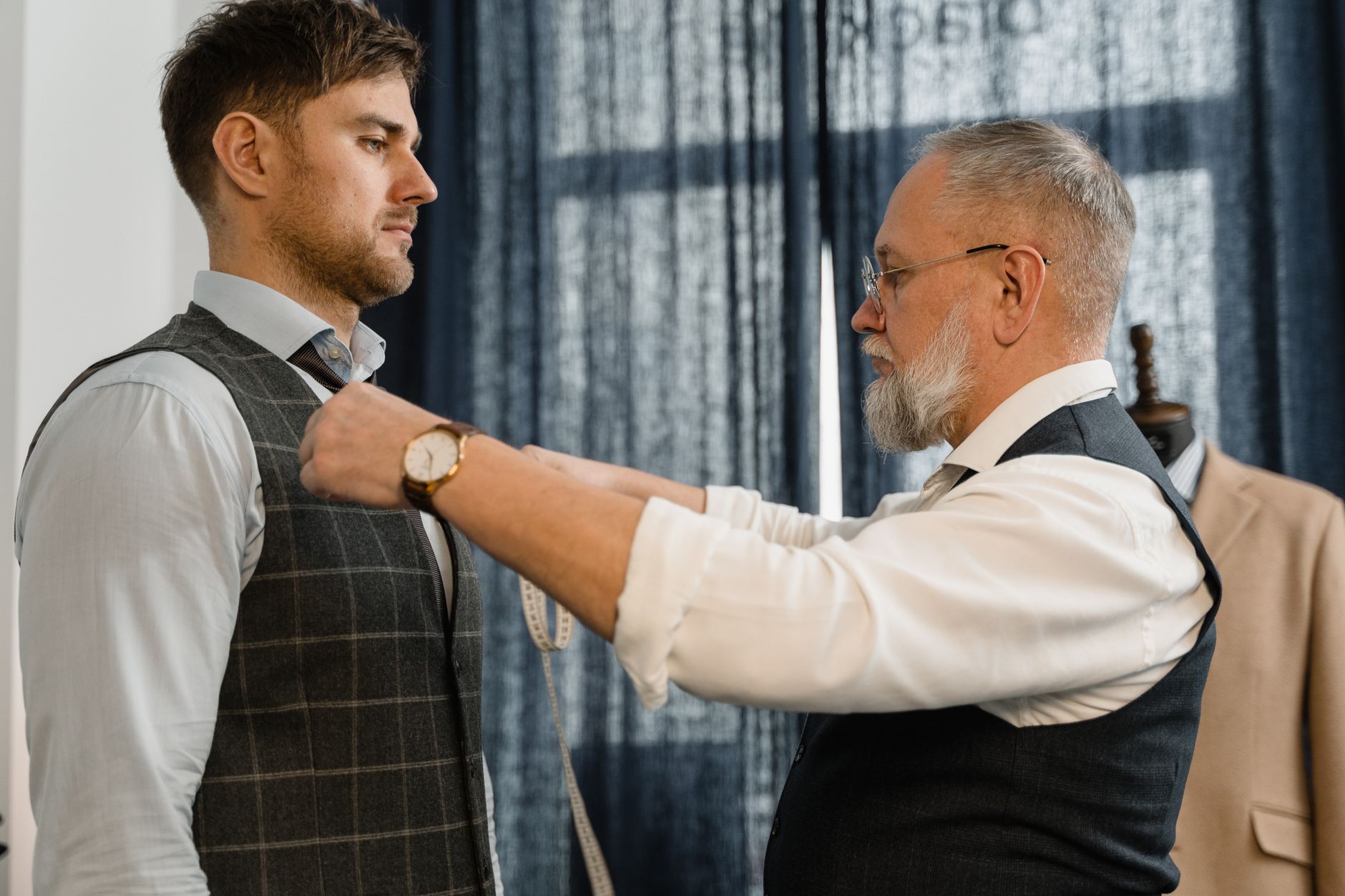
Two fittings, always
Suits and tailoring
Suits selected on shoulder and cut, then altered at sleeve, waist, seat and hem, with a second fitting.
Detail
Rise and break, decided
Trousers
Trousers worked through rise and leg shape, hemmed with the shoes that will be worn.
Detail