
Rise and break, decided
Trousers
Trousers worked through rise and leg shape, hemmed with the shoes that will be worn.
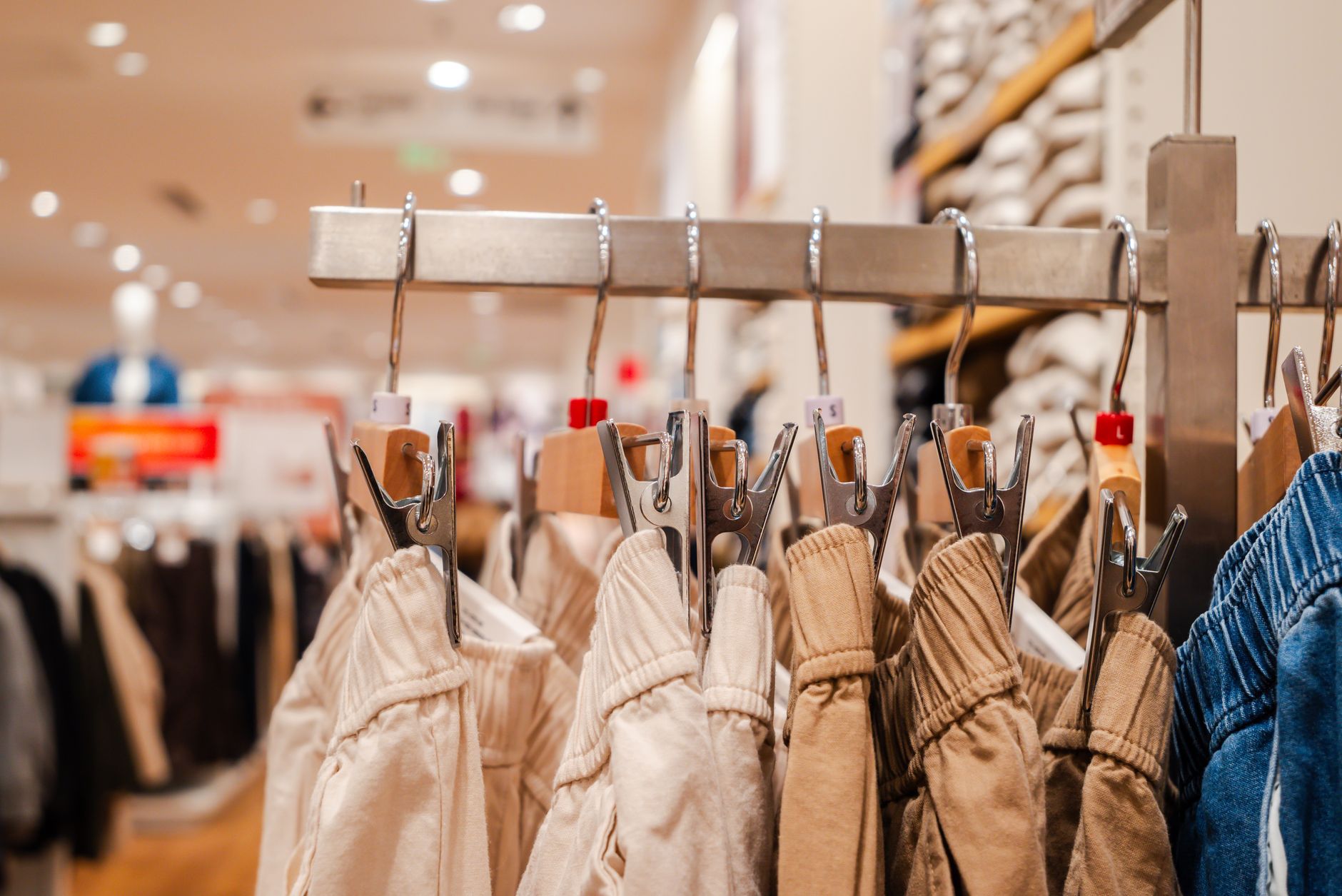
What it is
Trousers are decided by rise and by break. The rise sets where the waistband sits and therefore how the whole leg hangs; the break is how much the hem stacks on the shoe, and it is a finishing decision, not an accident.
What is included
- Waist and rise measurement
- Leg shape matched to build
- Hem pinned with the intended shoes
- Waist and seat alterations
- Pressed and finished before collection
How it works
Waist and rise
We measure the natural waist and establish where the waistband should sit for the cut being worn.
Leg shape
We match straight, tapered or slim to build and to what the trousers will be worn with.
Hem and break
We pin the hem with the shoes that will be worn, choosing the break deliberately.
Finishing
We hem, take in the seat or waist where needed and press before handover.
Frequent questions
Where should the waistband sit?
On the natural waist for classic cuts, slightly lower for modern ones. If you need a belt to hold them up, the waist is too large.
How much break should trousers have?
A slight break is the safe default: the hem just touches the shoe with a small fold. No break is a deliberate modern look, a full break is more traditional.
Can trousers be let out?
Usually by a couple of centimetres if the maker left seam allowance, which better-made trousers do. We check before promising it.
Related
Fitted at four points
Shirts
Shirts measured at neck, chest, shoulder and sleeve, with body and sleeve alterations available.
Detail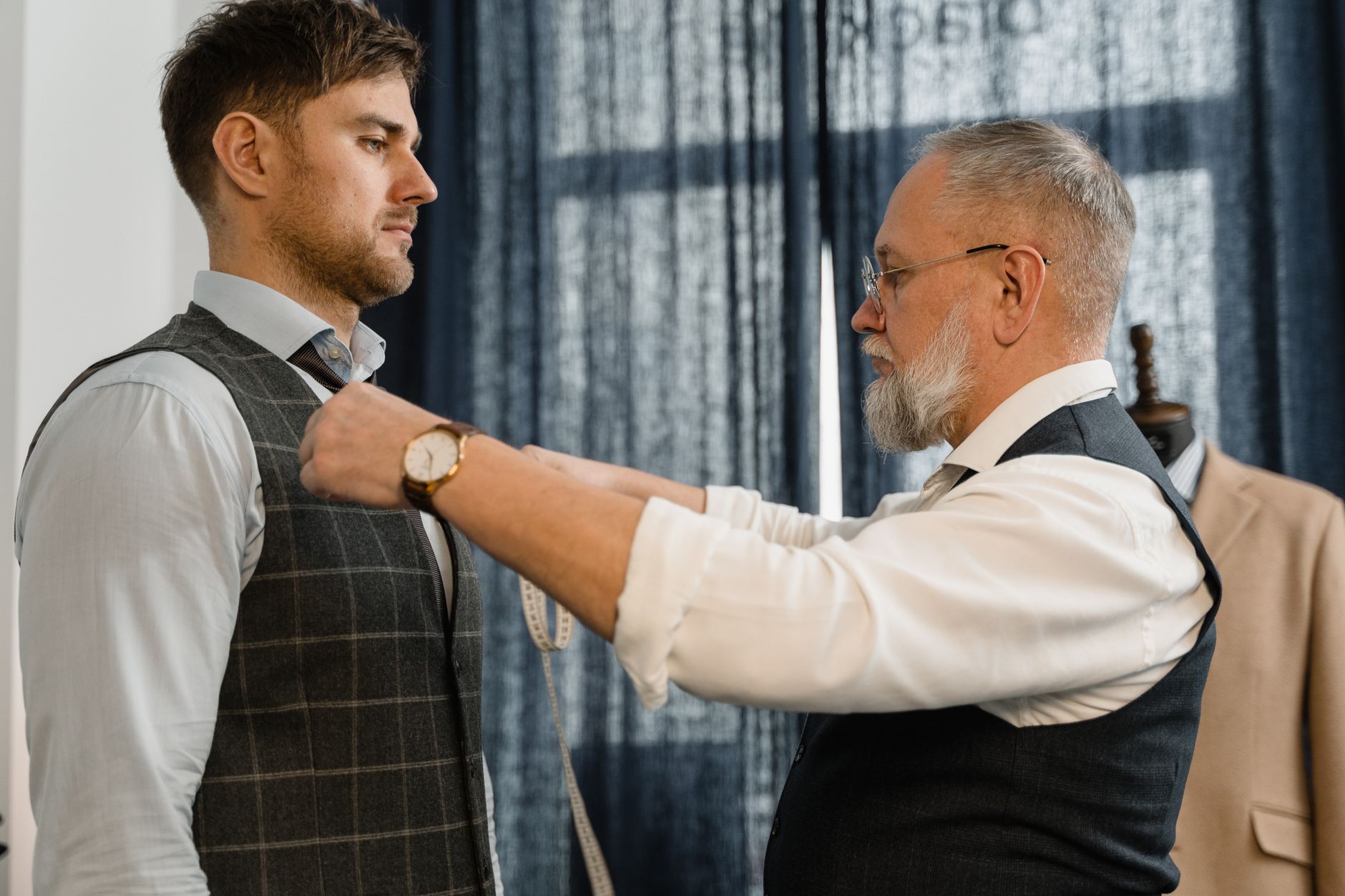
Two fittings, always
Suits and tailoring
Suits selected on shoulder and cut, then altered at sleeve, waist, seat and hem, with a second fitting.
Detail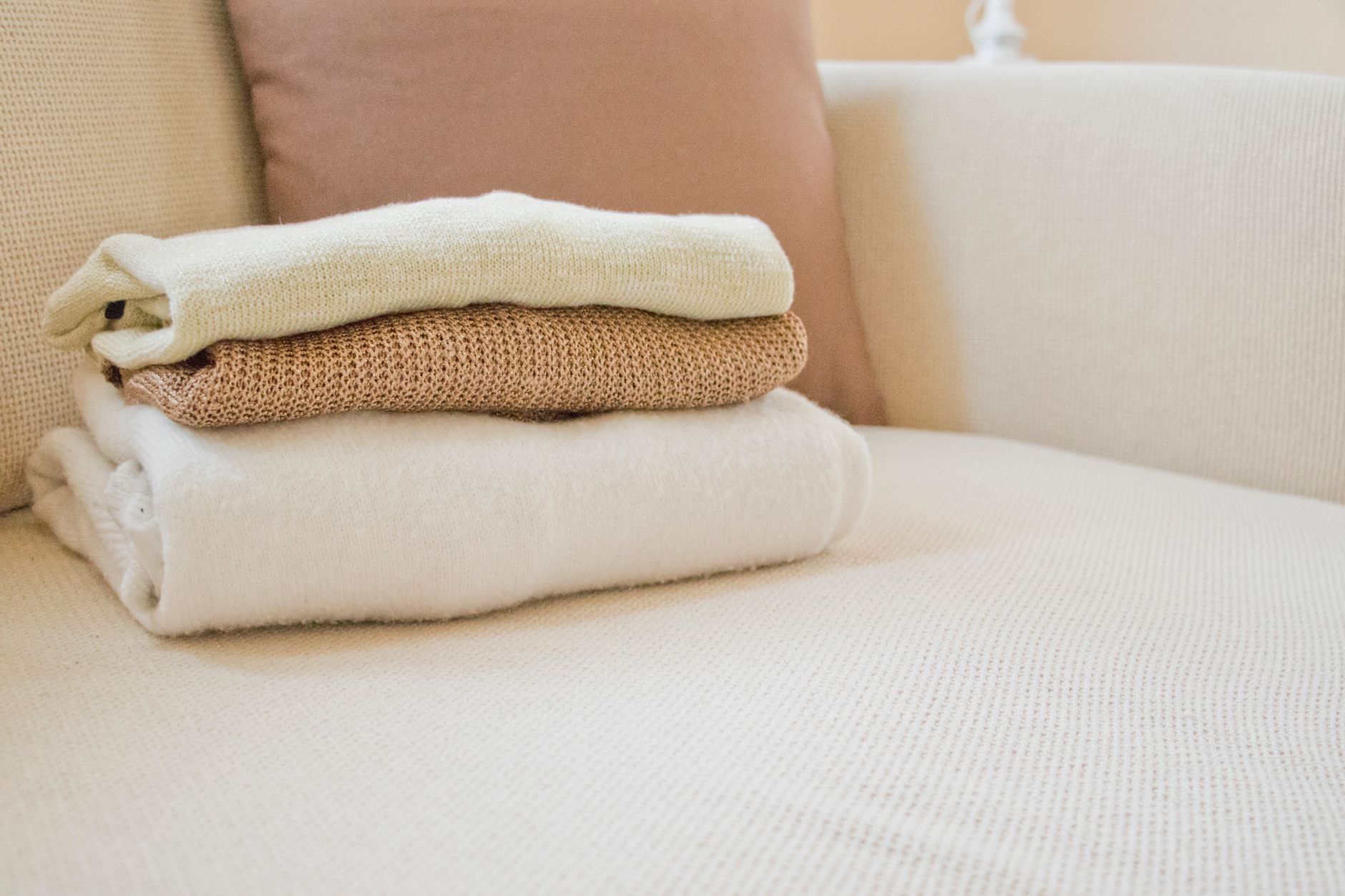
Bought on the fibre
Knitwear and outerwear
Merino, lambswool and blends explained for warmth, pilling and how to store them without stretching.
Detail